
Understanding the Real Estate Process: From Lending to Title & Escrow


Introduction to the Real Estate Process
Buying or selling a home is a significant financial decision that involves multiple steps. Understanding the real estate process from lending to title and escrow can help you navigate it smoothly. This guide provides an overview of each stage, ensuring you're well-prepared for your next real estate transaction.

Step 1: Securing Financing
Understanding Mortgage Options
The first step in the real estate process is securing financing. There are various mortgage options available, including fixed-rate and adjustable-rate mortgages. Each type has its benefits, so it's crucial to choose one that aligns with your financial situation and long-term goals.
Before applying, ensure your credit score is in good shape, as it will influence your loan terms. It's wise to get pre-approved for a mortgage to know your budget and show sellers you're a serious buyer.

Step 2: Selecting a Real Estate Agent
The Role of an Agent
A real estate agent is your guide through the buying or selling process. They help you find properties, negotiate deals, and navigate paperwork. Choose an agent with experience in your desired area and a track record of successful transactions.
Agents provide valuable insights into market trends and property values, ensuring you make informed decisions. They also coordinate with other professionals involved in the transaction, such as inspectors and appraisers.
Step 3: Making an Offer
Negotiating the Deal
Once you've found a property, the next step is making an offer. Your agent will help you draft a competitive offer based on the property's value and market conditions. Be prepared for negotiations, as the seller may counter your initial offer.
Once both parties agree, you'll enter into a contract, which outlines the terms and conditions of the sale. This is a crucial document, so ensure you understand all aspects before signing.

Step 4: Title and Escrow
Title Search and Insurance
The title process ensures the property is legally clear for sale. A title company will perform a title search to confirm there are no liens or disputes. Title insurance protects you and your lender from future claims against the property.
Escrow Process
Escrow involves a neutral third party holding funds and documents until all conditions of the sale are met. This process ensures both parties fulfill their obligations. Once everything is in order, the escrow company will facilitate the closing.
Step 5: Closing the Deal
Finalizing the Transaction
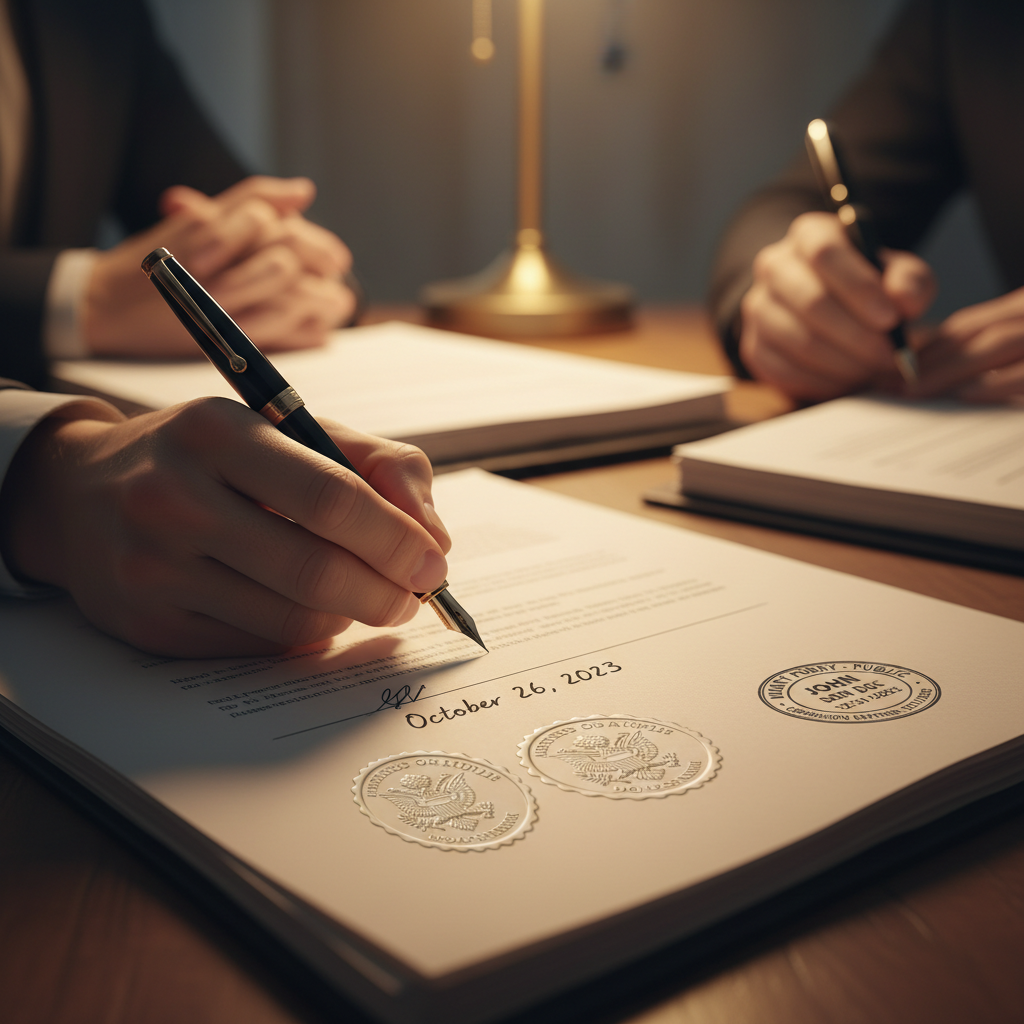
The closing is the final step in the real estate process. You'll review and sign all necessary documents, pay closing costs, and receive the keys to your new home. It's essential to carefully review all paperwork to ensure accuracy.
Congratulations! You've successfully navigated the real estate process. Whether buying or selling, understanding each step ensures a smoother transaction and helps you achieve your real estate goals.