
Understanding the Real Estate Market in Omaha: Trends and Insights


Current Market Overview
The real estate market in Omaha has been experiencing significant changes over recent years. As a city known for its affordability and quality of life, Omaha has attracted a diverse range of buyers and investors. This influx has led to a competitive market, with home prices seeing a steady increase. Understanding these shifts is crucial for anyone looking to buy, sell, or invest in the area.
Supply and Demand Dynamics
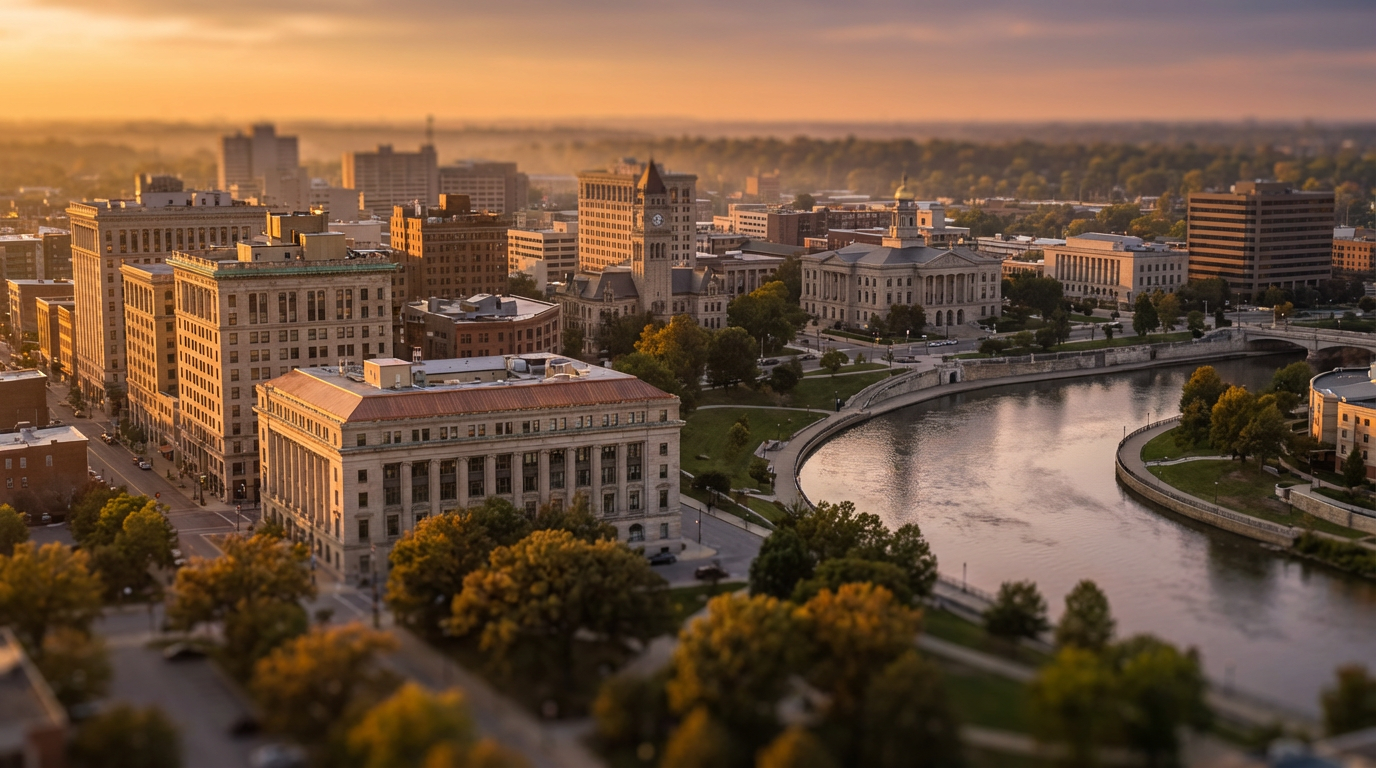
One of the primary drivers of Omaha's real estate market is the balance between supply and demand. Currently, the demand for housing is outpacing supply, leading to a seller's market. This means that homes are often sold quickly, sometimes above the asking price. For buyers, this environment requires quick decision-making and the ability to act fast when desirable properties become available.
New Developments
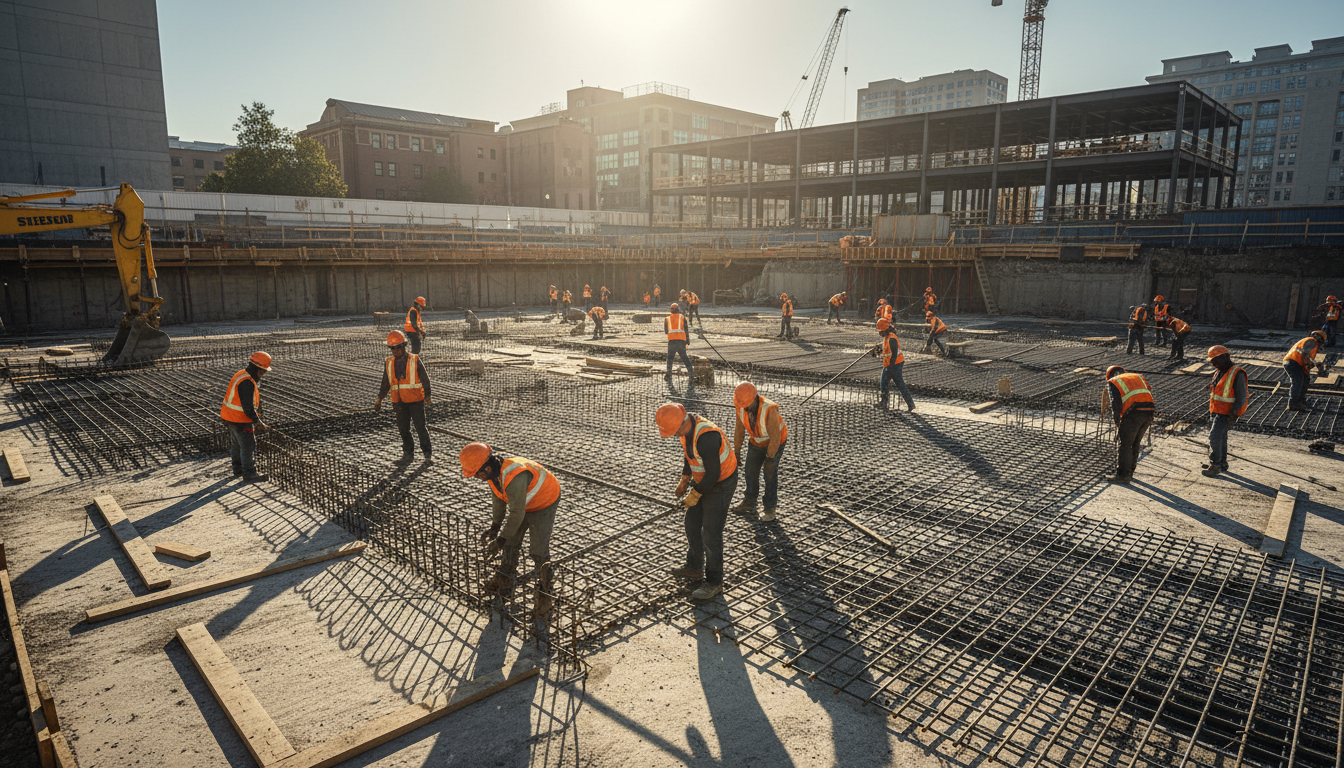
To meet growing demand, several new residential projects are underway in Omaha. These developments aim to provide more options for potential homeowners, ranging from affordable housing to luxury condos. Such projects are expected to gradually ease the pressure on the market, although the full impact may take time to manifest.
Investment Opportunities
For investors, Omaha presents numerous opportunities. The rental market remains strong, driven by a steady influx of new residents, including young professionals and families. Investing in rental properties can yield significant returns, especially in neighborhoods undergoing revitalization. Keeping an eye on emerging areas can be a strategic move for maximizing investment potential.
Neighborhood Insights
Understanding the unique characteristics of Omaha's neighborhoods can provide a competitive edge. Areas like Dundee and Benson are known for their historic charm and vibrant community life, while West Omaha offers newer developments and suburban appeal. Each neighborhood has its own market trends and pricing dynamics.

Impact of Economic Factors
Omaha's real estate market is also influenced by broader economic factors. The city's strong job market and low unemployment rates contribute to the stability and attractiveness of the local housing sector. Additionally, interest rates play a crucial role; even small changes can significantly affect buying power and market behavior.
Future Predictions
Looking ahead, experts predict that Omaha's real estate market will continue to grow, albeit at a more moderate pace as supply begins to catch up with demand. Monitoring economic indicators and staying informed about local developments will be key for anyone involved in the real estate market.
In conclusion, understanding the real estate market in Omaha requires a comprehensive approach. By staying informed about current trends, supply and demand dynamics, and economic factors, buyers, sellers, and investors can make well-informed decisions that align with their goals.